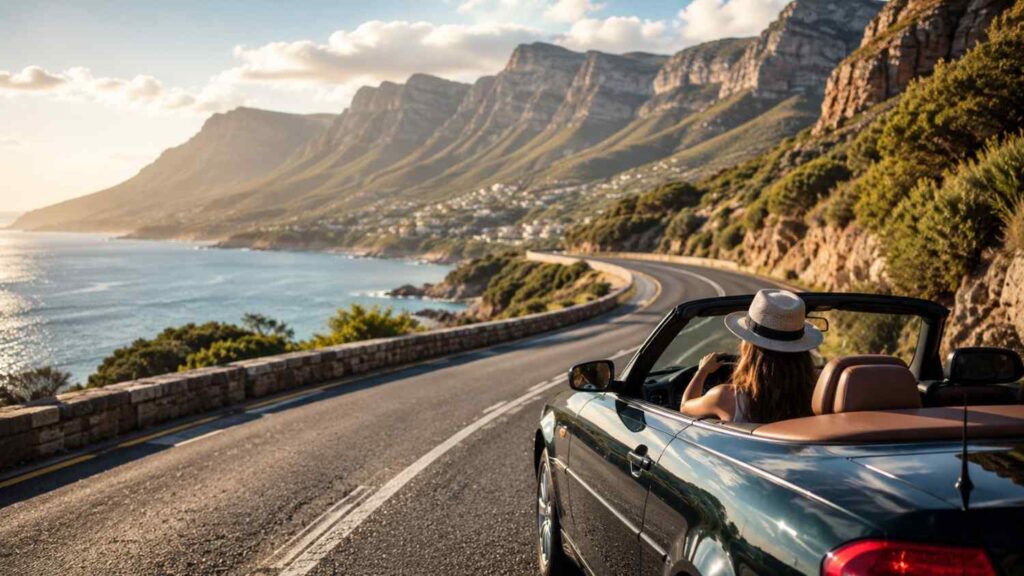
The Best Road Trips in the World: 8 Unforgettable Drives
Few travel experiences offer the same sense of freedom as a well-planned road trip. Instead of following airline timetables or moving directly between major cities, you can stop when the scenery changes, explore a small town that was never part of the original plan, or stay longer beside a beach, mountain or lake simply because the place feels worth your time. That flexibility is central to why The Best Road Trips in the World remain such powerful bucket-list experiences.
A genuinely memorable road trip, however, needs more than an attractive highway. The best journeys connect landscapes, communities, local food, outdoor activities and cultural landmarks in a way that makes driving part of the experience rather than a necessary inconvenience. A strong route should regularly give you reasons to leave the vehicle, walk to a viewpoint, explore a town, visit a natural attraction or spend an extra night somewhere unexpected.
Travelers looking for more world road trip ideas can also compare how different long-distance drives fit into a wider international travel itinerary.
This guide compares eight of the best scenic drives in the world using established tourism and transport resources. Route lengths should always be treated as planning guides rather than exact vacation mileage because side trips, accommodation locations and scenic detours quickly increase the distance you actually drive. The comparison below provides a useful starting point before the detailed route descriptions.
| Road Trip | Country/Region | Approximate Route Length | Best For |
|---|---|---|---|
| Iceland Ring Road | Iceland | 1,322 km | Waterfalls, glaciers and volcanic scenery |
| Wild Atlantic Way | Ireland | About 2,500 km | Long coastal touring |
| Atlantic Road | Norway | 8.274 km core road | Short, dramatic ocean driving |
| Highway 1 | California, USA | More than 650 miles | Pacific cliffs and coastal towns |
| Ruta 40 | Argentina | 5,194 km | Long-distance adventure |
| Great Ocean Road | Victoria, Australia | 243 km | Accessible coastal scenery |
| Christchurch–Queenstown | New Zealand | About 600 km itinerary | Lakes and mountain landscapes |
| Garden Route | South Africa | About 300 km | Coast, forests and outdoor activities |
Best Road Trips in the World Across Europe
Europe offers an unusually strong concentration of memorable driving routes because dramatic landscapes can often be combined with manageable distances and well-developed tourism infrastructure. Within this guide alone, travelers can circle Iceland through volcanic country, spend days exploring Ireland’s western coastline or cross a chain of small Norwegian islands on one of Europe’s most distinctive scenic roads. These journeys demonstrate how different a European self-drive holiday can feel depending on the landscape and pace you choose.
The three routes also appeal to very different travelers. Iceland’s Ring Road is a substantial journey that rewards travelers who want a complete self-drive vacation built around nature. Ireland’s Wild Atlantic Way is better suited to people who enjoy villages, cultural stops and a flexible coastal itinerary. Norway’s Atlantic Road is dramatically shorter, making it ideal as one component of a larger fjord or western Norway road trip rather than a standalone multi-week expedition.
Before driving in Europe, one thing I always check first is whether the route’s apparent distance accurately reflects the time needed. Narrow rural roads, ferries, weather, viewpoints and frequent scenic stops can make a journey take much longer than a mapping app suggests. Build spare time into each driving day, avoid scheduling important activities immediately after long transfers and use official road services when weather or seasonal conditions may affect access. The following routes are among Europe’s most recognizable bucket-list road trips, but each becomes more enjoyable when travelers resist the temptation to cover too much ground.
Iceland’s Ring Road
Iceland’s Route 1, commonly known as the Ring Road, runs approximately 1,322 kilometers around much of the island. Visit Iceland highlights glacier-capped mountains, waterfalls, volcanic landscapes, black-sand beaches and numerous natural attractions accessible from or near the route. For travelers seeking dramatic environmental variety, few international road trips deliver so many distinct landscapes within a single circular itinerary.
A seven-day circuit is possible, but a slower itinerary is usually more rewarding. Allowing additional days provides time for hikes, geothermal areas, photography, weather delays and detours that would otherwise feel rushed. Major stops may include Iceland’s south coast, eastern fjords, northern landscapes and areas around Lake Mývatn, although the exact itinerary should be adapted to season and road conditions.
Driving conditions deserve serious attention because Icelandic weather can change quickly. Wind, snow, rain and reduced visibility can transform a straightforward driving day into a much slower journey. Travelers should check the Icelandic Road and Coastal Administration before major driving segments. A rental company’s restrictions also matter, especially if your itinerary leaves paved Route 1 for mountain or gravel roads.
Ireland’s Wild Atlantic Way
Ireland’s Wild Atlantic Way follows roughly 2,500 kilometers of western coastline through nine counties. Tourism Ireland describes the route as one of the world’s longest defined coastal touring routes, linking Atlantic cliffs, beaches, historic sites, rural communities and distinctive landscapes. The complete route is substantial, but its strength lies in how easily travelers can divide it into smaller regional journeys.
Trying to complete every kilometer in a short vacation can undermine the experience. Ireland’s west coast rewards slow travel because many of its most memorable moments happen away from the main road—in small towns, coastal walks, pubs, historic sites and viewpoints reached by narrow local roads. Tourism Ireland publishes longer suggested itineraries, but travelers with limited time can choose one or two sections and explore them more thoroughly.
Drivers should also remember that road width and speed can vary considerably. A short distance on a rural coastal road may require much more time than expected, particularly when sharing narrow routes with local traffic. I recommend planning modest daily mileage and leaving room for weather changes. The Wild Atlantic Way is best treated as a flexible coastal journey rather than an endurance challenge measured by how much of the official route you finish.
Norway’s Atlantic Road
Norway’s Atlantic Road proves that a world-class scenic drive does not need to cover hundreds of kilometers. The famous core route connects Averøy with the mainland across islands and small skerries using a series of bridges, including the instantly recognizable Storseisundet Bridge. Visit Norway identifies the road as part of the Norwegian Scenic Routes network and highlights the surrounding coast as an important part of the experience.
Because the iconic section is relatively short, the Atlantic Road works best when incorporated into a broader western Norway itinerary. Travelers can combine it with Kristiansund, Molde, nearby fishing communities and other fjord-region attractions rather than treating the road itself as an isolated destination. This approach turns a brief scenic highway into part of a more complete Norwegian road trip.
Weather strongly influences the atmosphere. Calm conditions can create expansive ocean views, while stormier weather reveals the exposed nature of the route. Travelers should stop only in designated areas and avoid rushing through simply to photograph the bridges. The surrounding viewpoints, coastal environment and communities provide the context that makes the Atlantic Road more than an impressive piece of engineering.
Related Articles
The Greatest Road Trips Across the Americas
Road trips across the Americas can operate on a scale that feels completely different from many European journeys. California Highway 1 offers celebrated Pacific scenery, established resort towns and famous viewpoints, while Argentina’s Ruta 40 stretches for thousands of kilometers alongside the Andes. One route can be divided into comfortable coastal sections; the other can become a serious long-distance expedition through some of South America’s most dramatic landscapes.
The contrast makes these routes useful for understanding what “road trip” can mean. California’s coastal highway is accessible to travelers who want recognizable destinations, relatively frequent services and the option to concentrate on a particular region such as Big Sur or the Central Coast. Ruta 40, by comparison, rewards more deliberate preparation. Long distances, remote stretches, variable weather and seasonal considerations can become fundamental parts of the experience rather than background concerns.
Whichever route you choose, avoid planning only around the distance displayed on a map. Coastal closures, roadworks, strong winds, fuel availability, mountain conditions and sightseeing stops can substantially change the real travel time. In my experience, the most successful epic road trips leave enough space for unexpected delays without turning them into emergencies. Book critical accommodation where necessary, but avoid creating an itinerary so rigid that one road closure or bad-weather day disrupts the entire trip. The following two routes show the Americas at very different scales, from Pacific cliffs to vast Patagonian horizons.
California Highway 1
California Highway 1 extends for more than 650 miles along parts of the state’s Pacific coastline, linking famous destinations and scenic regions from Southern California toward the northern coast. Its best-known Central Coast sections include areas around Santa Barbara, Big Sur, Monterey and other communities where ocean cliffs, beaches, forests and coastal viewpoints create one of America’s most recognizable road-trip experiences.
The route is best enjoyed in sections rather than as a race to cover every mile. Big Sur alone can justify several days when hiking, viewpoints, beaches and nearby towns are included. Travelers continuing through Monterey, Carmel or south toward Santa Barbara can build a broader itinerary that mixes natural scenery with accommodation, food and cultural stops. Sunrise and late-afternoon light can make coastal viewpoints particularly memorable.
Road conditions are an essential part of Highway 1 planning. Landslides, fires, construction and weather have periodically affected sections of the highway, especially around the Big Sur coast. Before departure, travelers should check Caltrans rather than relying on an old itinerary, saved map or social-media post. A small amount of road-condition research can prevent a scenic day from turning into a long, unexpected detour.
Argentina’s Ruta 40
Argentina’s Ruta 40 is one of the world’s great long-distance driving routes, extending for more than 5,000 kilometers through the country and closely associated with the Andes. Visit Argentina promotes the highway as a legendary journey connecting dramatically different regions, while its Patagonian sections are especially attractive to travelers interested in mountain landscapes, open steppe, lakes and remote communities.
Driving the entire route is not necessary for most visitors. A more practical approach is to choose a specific region and build a journey around the attractions there. Patagonia offers particularly strong options because the road can be combined with mountain towns, national parks and other outdoor destinations. A selected section can still provide a genuine sense of scale without requiring the time and logistics of a full-country expedition.
Preparation matters more here than on many shorter scenic drives. Fuel stops can be farther apart, weather may be severe and conditions may vary between paved and less-developed sections depending on the itinerary. Visit Argentina highlights summer as a practical period for many Patagonian trips. Travelers should confirm road surfaces, fuel availability, accommodation and rental restrictions before moving into remote areas rather than assuming every mapped road offers the same level of service.
| Planning Factor | What to Consider | Routes Where It Matters Most | Useful Preparation |
|---|---|---|---|
| Road Conditions | Closures, construction, seasonal access and traffic controls | Iceland, California Highway 1, New Zealand | Check official road-information services before driving |
| Weather | Wind, snow, rain, storms and rapidly changing conditions | Iceland, Norway, Patagonia, New Zealand | Review current forecasts before each driving day |
| Driving Distance | Long routes can require several overnight stops | Ruta 40, Wild Atlantic Way, Iceland | Divide the journey into manageable sections |
| Vehicle Type | Rental restrictions may apply to gravel, mountain or seasonal roads | Iceland, Patagonia and selected regional routes | Confirm vehicle requirements with the rental company |
| Fuel Planning | Remote stretches can have fewer fuel opportunities | Ruta 40 and remote Patagonia | Plan fuel stops before entering isolated areas |
| Driving Rules | Road side, licensing, insurance and local regulations vary | All international routes | Check destination-specific driving requirements |
| Scenic Stops | Viewpoints, beaches, trails and towns are part of the journey | Great Ocean Road, Highway 1, Garden Route | Allow extra time instead of planning only driving hours |
| Itinerary Flexibility | Detours and weather delays can change planned schedules | Iceland, Ireland, New Zealand | Avoid overly tight daily schedules |
Outstanding Road Trips in Oceania and Africa
Australia, New Zealand and South Africa offer some of the world’s most rewarding self-drive environments because the landscapes change frequently and many major attractions are naturally suited to road-trip travel. Australia’s Great Ocean Road follows a celebrated southern coastline, New Zealand’s South Island combines alpine scenery with lakes and valleys, and South Africa’s Garden Route blends forests, beaches, coastal towns and outdoor experiences within a relatively manageable distance.
These routes are particularly attractive to travelers who prefer stopping frequently rather than spending entire days behind the wheel. The Great Ocean Road may be only a few hundred kilometers long, yet beaches, rainforest and limestone coastal formations can easily turn it into a multi-day trip. A South Island itinerary can appear straightforward on a map but expand quickly once hikes, lake viewpoints and mountain detours are added. The Garden Route similarly rewards travelers who leave the main N2 highway to explore surrounding towns and natural attractions.
Practical planning still matters. Australia, New Zealand and South Africa drive on the left, which can require adjustment for visitors accustomed to right-hand traffic. Long daylight hours in some seasons can be helpful, but fatigue remains a serious consideration, especially after long flights. I recommend making the first driving day relatively easy, learning the rental vehicle before tackling demanding roads and avoiding an ambitious schedule immediately after arrival. These three scenic driving routes work beautifully for both first-time and experienced international road trippers when the itinerary allows the landscape—not the mileage—to set the pace.
Australia’s Great Ocean Road
Victoria’s Great Ocean Road stretches approximately 243 kilometers along Australia’s south-western coast and is one of the country’s most recognizable touring routes. Visit Victoria highlights a landscape of cliffs, beaches, river estuaries, rainforest and headlands, while the Twelve Apostles and surrounding limestone formations remain among the region’s best-known natural attractions.
Although travelers sometimes attempt the route as a long day trip from Melbourne, a two- or three-night itinerary is far more rewarding. Spending additional time allows you to explore coastal towns, walk through forested areas, visit beaches and experience viewpoints outside the busiest periods. The road itself is scenic, but the experience becomes much richer once the nearby Otways and smaller coastal communities are included.
Drivers should allow extra time on winding coastal sections and remain alert for wildlife, especially around dawn and dusk. Because Australia drives on the left, international visitors unfamiliar with left-side traffic should take particular care at junctions and when leaving viewpoints. Visit Victoria publishes detailed touring itineraries making the route one of the easier major international drives to research before arrival.
New Zealand’s South Island: Christchurch to Queenstown
New Zealand’s South Island is almost designed for road-trip travel. Tourism New Zealand highlights glacial valleys, mountains, lakes, dark-sky areas and outdoor experiences across the island, while several official self-drive itineraries connect Christchurch with Queenstown through destinations such as Lake Tekapo/Takapō, Aoraki/Mount Cook regions and Wānaka.
A direct drive misses the point. The most rewarding itineraries allow time for scenic walks, lake stops, mountain viewpoints and weather changes. A route that appears to cover roughly 600 kilometers can easily become a week-long or longer trip once worthwhile detours are included. Travelers interested in hiking or photography may want even more time because the landscape changes significantly from region to region.
The New Zealand Transport Agency specifically warns international visitors that roads may be narrower, steeper and more winding than expected and that journeys can take longer than map distances suggest. Before each major driving day, closures, roadworks and disruptions. Left-side driving, one-lane bridges and fatigue after long-haul travel also deserve careful attention.
South Africa’s Garden Route
South Africa’s Garden Route runs through one of the country’s most varied coastal regions, commonly associated with the journey from around Mossel Bay toward Storms River. South African Tourism highlights a combination of coastline, forests, lagoons, mountain scenery, beaches and towns such as Knysna and Plettenberg Bay, creating a route that can satisfy both relaxed sightseers and active travelers.
The approximately 300-kilometer scale makes the Garden Route easier to manage than long-distance journeys such as Ruta 40 or Iceland’s Ring Road. However, the relatively short distance should not encourage travelers to rush. Many highlights sit away from the main road, and activities such as forest walks, coastal viewpoints, wildlife experiences and beach stops can fill several days.
I recommend using two or three bases rather than changing accommodation every night. That approach reduces packing and lets you explore local areas more thoroughly. Travelers should also research current driving, parking and safety advice for the specific places they plan to visit. A well-paced Garden Route trip offers the freedom of a classic road journey without requiring exceptionally long driving days.
Discover the best road trips in the world, from Iceland and California to Australia, Patagonia, Ireland, New Zealand and South Africa.
| Planning Factor | What to Consider | Routes Where It Matters Most | Useful Preparation |
|---|---|---|---|
| Road Conditions | Closures, construction, seasonal access and traffic controls | Iceland, California Highway 1, New Zealand | Check official road-information services before driving |
| Weather | Wind, snow, rain, storms and rapidly changing conditions | Iceland, Norway, Patagonia, New Zealand | Review current forecasts before each driving day |
| Driving Distance | Long routes can require several overnight stops | Ruta 40, Wild Atlantic Way, Iceland | Divide the journey into manageable sections |
| Vehicle Type | Rental restrictions may apply to gravel, mountain or seasonal roads | Iceland, Patagonia and selected regional routes | Confirm vehicle requirements with the rental company |
| Fuel Planning | Remote stretches can have fewer fuel opportunities | Ruta 40 and remote Patagonia | Plan fuel stops before entering isolated areas |
| Driving Rules | Road side, licensing, insurance and local regulations vary | All international routes | Check destination-specific driving requirements |
| Scenic Stops | Viewpoints, beaches, trails and towns are part of the journey | Great Ocean Road, Highway 1, Garden Route | Allow extra time instead of planning only driving hours |
| Itinerary Flexibility | Detours and weather delays can change planned schedules | Iceland, Ireland, New Zealand | Avoid overly tight daily schedules |
Frequently Asked Questions About The Best Road Trips in the World
Choosing among The Best Road Trips in the World becomes easier when you separate inspiration from practical planning. A route may look perfect in photographs yet be unsuitable for your available time, season or driving confidence. Before comparing scenery alone, consider how many days you can realistically devote to the journey, whether you are comfortable driving abroad and how much daily driving you actually enjoy.
Travelers should also think about route complexity. A 250-kilometer coastal journey with accommodation and services nearby is very different from a multi-thousand-kilometer highway that crosses remote regions. Weather, road surfaces, border rules, ferry schedules and vehicle restrictions can change the amount of preparation required. Beginners do not necessarily need to avoid ambitious destinations, but they should build in more flexibility and reduce the number of planned miles per day.
The following questions cover the issues that most often affect international self-drive holidays. The answers are designed as planning guidance rather than universal rules because road conditions, laws and rental policies can change. Always verify official transport information and rental-company terms shortly before departure. A strong road trip begins with realistic expectations: enough time, an appropriate vehicle and a route that matches your comfort level. Those choices matter just as much as selecting a beautiful destination.
What is the most beautiful road trip in the world?
There is no objective answer because beauty depends on the landscapes you value. Iceland’s Ring Road is one of the strongest all-round candidates because it brings together waterfalls, glaciers, volcanic terrain, mountains and black-sand coastline within one circular journey. Few routes provide such dramatic visual change over a relatively contained itinerary.
Travelers who prefer coastal scenery may choose differently. Ireland’s Wild Atlantic Way combines rugged shoreline with villages and cultural stops, while California Highway 1 is famous for Pacific cliffs and Big Sur. Australia’s Great Ocean Road offers another striking coastal experience but in a much shorter, easier-to-plan format.
Instead of asking which road is universally most beautiful, consider which environment you most want to experience. Mountain travelers may prefer New Zealand or Patagonia, while coastal travelers may favor Ireland, Australia or California. The best visual experience is usually the one that matches your interests and gives you enough time to stop frequently.
Which road trip is best for first-time international drivers?
For many first-time international drivers, Australia’s Great Ocean Road is one of the more approachable options in this guide. The route is relatively compact, has extensive tourism infrastructure and can be broken into comfortable daily sections. Travelers can enjoy world-famous scenery without committing to the long distances required by Iceland’s Ring Road or Argentina’s Ruta 40.
New Zealand can also be excellent for first-time road trippers because self-drive travel is well supported and official tourism resources provide detailed itineraries. However, visitors must be comfortable driving on the left and should understand that New Zealand roads can be narrow, winding and slower than expected.
Regardless of destination, the best beginner road trip is one that leaves generous time between stops. Avoid starting with five or six hours of driving every day. Choose a familiar vehicle type, review local rules before arrival and allow your first day to be easy. Confidence usually grows quickly once you understand the road environment.
What is the best road trip in Europe?
Iceland’s Ring Road is one of Europe’s strongest choices for travelers who prioritize natural scenery. Its approximately 1,322-kilometer circuit connects an unusually wide range of landscapes, including waterfalls, volcanic areas, glaciers and coastline. The circular structure also makes itinerary planning relatively intuitive for visitors who want one major self-drive journey.
Ireland’s Wild Atlantic Way is a better fit for travelers interested in coastal culture, towns and a slower touring style. Instead of completing the entire route, visitors can choose specific western regions and spend more time exploring them. Norway’s Atlantic Road is much shorter but works beautifully within a wider fjord itinerary.
The right European option therefore depends on available time. Choose Iceland for a substantial nature-focused circuit, Ireland for flexible coastal touring and Norway’s Atlantic Road when you want a short scenic highlight inside a broader Scandinavian trip. All three can be excellent when matched to the right itinerary.
How many days should I allow for a road trip?
There is no universal road-trip duration because distance alone does not determine how much time a route deserves. A 250-kilometer drive with numerous hikes and viewpoints may require several days, while a longer highway with fewer planned stops may cover more distance in the same period. The key is deciding how much time you want outside the vehicle.
Official tourism organizations provide useful starting points. Tourism Ireland publishes multi-day Wild Atlantic Way itineraries, Tourism New Zealand offers week-plus South Island driving ideas and Visit Victoria promotes multi-day Great Ocean Road touring. These examples show that famous routes are generally more rewarding when broken into manageable sections.
As a practical rule, avoid planning every day at maximum capacity. Include at least one flexible period on longer journeys and limit consecutive long-distance days. Weather, roadworks, fatigue and spontaneous stops will affect the schedule. A slower itinerary often produces more memorable travel even if you cover fewer kilometers.
Do I need to rent a four-wheel-drive vehicle?
A four-wheel-drive vehicle is not automatically necessary for the routes in this guide. Many famous scenic highways are paved and can be driven in an ordinary rental car under normal conditions. The important question is whether your specific itinerary includes gravel roads, seasonal mountain routes or tracks where standard rental vehicles are restricted.
Rental-company rules matter as much as road capability. A vehicle may physically be able to travel on a road while the rental agreement explicitly prohibits it. Driving on an excluded road could affect insurance or roadside assistance, so always read the vehicle terms rather than relying solely on recommendations from travel forums.
If your route includes remote or mountainous areas, confirm road surfaces before booking. In Iceland, Argentina and parts of other destinations, side trips can have very different requirements from the main highway. Choose the vehicle based on the actual itinerary, passenger comfort, luggage and rental conditions—not simply because four-wheel drive sounds safer.
How should I plan an international road trip safely?
Begin by checking whether your driving license is accepted, whether an International Driving Permit is required or recommended and what insurance is included with the rental vehicle. Review local speed limits, parking rules, toll systems and which side of the road is used. These basic differences can matter more than travelers expect.
Next, plan realistic daily distances and identify fuel stops before entering remote areas. Check weather and official road conditions on the morning of major driving days. Iceland’s road service, Caltrans in California and the New Zealand Transport Agency all provide current transportation information that is more reliable than an old blog itinerary.
Finally, manage fatigue. Long-haul flights, unfamiliar vehicles and unfamiliar roads can make the first driving day more demanding than expected. Schedule breaks, avoid driving when exhausted and never let a prebooked hotel pressure you into continuing in unsafe conditions. Flexibility is one of the greatest advantages of road travel, so use it.
Conclusion
The world’s greatest road trips are memorable because the journey becomes inseparable from the destination. A waterfall beside Iceland’s Ring Road, a small village on Ireland’s Atlantic coast, a Pacific viewpoint in California or a mountain lake in New Zealand can become the moment you remember most—even when it was never the main reason you planned the trip.
Choosing among The Best Road Trips in the World therefore requires more than comparing photographs. Consider route length, season, road conditions, driving style, local regulations and how frequently you want to stop. Travelers who enjoy short driving days and comfortable accommodation may prefer Australia’s Great Ocean Road or South Africa’s Garden Route, while people who enjoy expedition-style travel may be drawn toward Iceland or Patagonia.
The strongest recommendation is simple: plan less mileage than you think you can manage. Leave room for detours, weather and places that deserve an extra hour or night. Road travel is valuable precisely because it allows flexibility, so an itinerary that removes every bit of flexibility defeats much of the purpose. Choose a route that suits your interests, prepare carefully and give yourself enough time to experience it properly rather than treating completion as the goal.
Which Road Trip Should You Choose?
For first-time international road trippers, Australia’s Great Ocean Road offers an appealing combination of famous scenery, manageable distance and established visitor infrastructure. California Highway 1 can provide a similar balance when open sections are planned carefully and current Caltrans conditions are checked before departure.
Travelers looking for a larger adventure should consider Iceland’s Ring Road, Ireland’s Wild Atlantic Way or a selected portion of Argentina’s Ruta 40. These journeys reward additional time and can become complete vacations rather than short additions to a city trip. New Zealand’s South Island also works particularly well for travelers who enjoy hiking and alpine scenery.
Your final choice should reflect the travel experience you actually enjoy rather than the route that receives the most attention online. If you dislike long days in a vehicle, choose a compact scenic road. If remoteness and changing landscapes excite you, consider a longer route. Matching the journey to your personality is more important than choosing the most famous name.
Plan the Journey, Not Just the Mileage
One of the easiest road-trip mistakes is building an itinerary around distance rather than experience. A route that looks achievable because it requires only four hours of driving may become an eight-hour day once breakfast, fuel, viewpoints, hiking, photography and lunch are included. That difference can turn an enjoyable itinerary into a stressful one.
Build each day around one or two priorities instead. Decide which attraction or landscape matters most and allow secondary stops to remain flexible. If bad weather affects the main activity, you will still have space to adjust without losing multiple bookings. This approach is especially useful in Iceland, New Zealand, Ireland and other destinations where weather can change rapidly.
The Best Road Trips in the World are not improved by finishing them faster. A successful road trip gives you time to experience the places the highway connects. Reduce the daily mileage, check conditions before departure and treat unplanned stops as part of the journey rather than interruptions.