
If you’re planning a trip to South Korea’s magical Jeju Island—famous for its dramatic Hallasan Mountain, turquoise coastlines, and unique haenyeo (female divers)—your journey hinges on one key stop: Muan International Airport (often called “Muan Airport” or “Jeju Muan International Airport,” IATA code: CJU). As Jeju’s only international airport and primary gateway, this airport isn’t just a checkpoint—it’s a vital hub connecting travelers to one of Asia’s most beloved tourist destinations. Whether you’re a first-time visitor or a repeat tourist, understanding Muan’s ins and outs will save you time, stress, and money. Let’s dive into everything you need to know.
What is Muan International Airport? Basic Overview
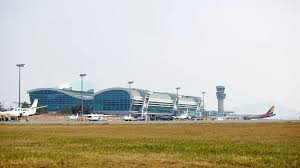
Full Name, Location, and Official Details
Officially named Jeju Muan International Airport (제주무안국제공항 in Korean), Muan is situated in Jeju City, Jeju Special Self-Governing Province—directly on the island, eliminating the need for ferry transfers. Its IATA code, CJU, is critical for booking flights and checking schedules. Established in 1973 as a small domestic airport, it was upgraded to international status in 1984 with its first international flight from Tokyo, Japan. Today, it handles over 95% of Jeju’s air traffic, solidifying its role as the island’s lifeblood for tourism, trade, and connectivity.
Size, Capacity, and Infrastructure
Muan’s growth mirrors Jeju’s rise as a global destination. With one main terminal and a single 3,000-meter runway, it supports large aircraft like the Boeing 787 Dreamliner and Airbus A330. Pre-pandemic (2019), the airport served 12 million passengers annually; post-pandemic recovery saw 10.2 million travelers in 2023, with projections to reach 13 million by 2025. The terminal features separate zones for international and domestic travel, though shared facilities like security streamline the process.
Table: Passenger Growth (2019–2025 Projection)
| Year | Passengers (Million) |
|---|---|
| 2019 | 12.1 |
| 2020 | 2.3 (COVID impact) |
| 2021 | 2.8 |
| 2022 | 8.9 |
| 2023 | 10.2 |
| 2025 | 13.0 (projected) |
Who Operates Muan International Airport?
Unlike Seoul’s major airports, Muan is managed locally by the Jeju Special Self-Governing Province, ensuring decisions align with the island’s unique needs. Key partners include airlines like Korean Air, Asiana Airlines, Jeju Air, and international carriers such as China Southern, Japan Airlines (JAL), and VietJet Air. This local oversight helps tailor services to Jeju’s tourism-focused economy.
History of Muan International Airport
Early Days (1970s–1990s)
Muan’s journey began humbly. Originally built in 1973 for military transport and limited domestic flights, it took until 1984 to welcome its first international flight from Tokyo. By the 1990s, annual passengers hovered around 1 million, with growth slow but steady.
Growth and Expansion (2000s–2010s)
The 2000s marked a turning point. In 2006, a terminal expansion boosted capacity to 8 million passengers yearly, driven by surging Chinese tourism. Direct flights to Shanghai and Beijing launched in 2010, cutting travel time and cementing Jeju as an East Asian vacation hotspot. By 2015, the adjacent “Jeju Global City” complex—featuring the Marriott, duty-free malls, and a convention center—opened, transforming Muan into a pre-arrival destination. Pre-pandemic, Muan hit 12 million passengers in 2019, solidifying its regional importance.
Pandemic Impact and Recovery (2020s)
COVID-19 dealt a severe blow. International borders closed, dropping passenger numbers to 2.3 million in 2020. But Jeju’s resilience shone: domestic flights rebounded first, pushing 2022 passengers to 8.9 million. By 2023, international routes revived, with new partnerships adding 10+ weekly flights. Today, Muan is stronger than ever, aiming to recapture pre-pandemic glory by 2025.
Facilities and Services at Muan International Airport
Check-In and Security Procedures
Navigating check-in and security is straightforward. International check-in opens 3 hours before departure (self-service kiosks available for Jeju Air and Korean Air), while domestic check-in opens 2 hours prior. Prohibited items include liquids over 100ml in carry-ons (checked bags allow unlimited), sharp objects, and flammable materials. All electronics must be removed for screening—even small devices like e-readers.
Lounges and Waiting Areas
Muan prioritizes comfort. Paid lounges include the Jeju Air Lounge (Level 3, ₩5,000/hour) with free jeonbokjuk (seaweed rice porridge) and the Global Lounge (Level 3, starting at ₩15,000/day) for premium passengers, offering showers and workstations. Free areas (Level 3) include charging ports, baby care stations, and free Wi-Fi (login via the airport app).
Dining and Shopping Experiences
Muan blends local and global flavors. Level 2’s “Jeju Black Pork BBQ” serves tender samgyeopsal (grilled pork belly), while Level 3’s “Haemul Pajeon Café” features fresh seafood pancakes, a Jeju staple. International options like Starbucks and Lotte Mart (convenience store) add familiarity. Duty-free shops (Level 1) sell Jeju-exclusive cosmetics (Innisfree’s volcanic clay line) and snacks—open only during international flight hours.
Table: Top Dining Options by Terminal Level
| Level | Restaurant/Café | Cuisine | Key Dishes |
|---|---|---|---|
| Level 2 | Jeju Black Pork BBQ | Korean | Samgyeopsal, pork belly soup |
| Level 3 | Haemul Pajeon Café | Korean | Seafood pancake, bulgogi |
| Level 3 | Starbucks | International | Frappuccino, matcha latte |
Baggage and Essential Services
Lost luggage? Baggage claim has 3 belts for international arrivals and 2 for domestic. ATMs (Visa/Mastercard) and currency exchange desks (Level 1) operate 24/7, supporting USD, CNY, and JPY. The lost & found desk (Level 1, left of Belt 1) requires reporting within 7 days for free retrieval—call +82-64-710-1234 to start.
Accessibility for All Travelers
Inclusivity is a priority. Free wheelchairs are available at check-in, gates, and baggage claim (request via info desks). Baby facilities include nursing rooms (Level 2, near B5), stroller rentals (₩10,000/day), and changing tables in all restrooms. Multilingual signs (English, Chinese, Japanese) guide travelers, with staff in international zones speaking basic English.
Airport Layout and Navigation
Terminal Layout Overview
Understanding Muan’s layout avoids confusion. International departures are on Level 3 (gates A1–A10), arrivals on Level 1 (immigration, customs, baggage claim), and domestic travel on Level 2 (gates B1–B5). Ground transportation is on Level 1 (exit right of baggage claim).
Step-by-Step Navigation Tips
For departing travelers:
- Check-in (Level 3) via airline counters or self-service kiosks.
- Drop bags, proceed to security (Level 3).
- Follow signs to gates A1–A10—boarding starts 40 minutes pre-departure.
For arriving travelers:
- Clear immigration (Level 1) and customs (declare gifts/food).
- Collect luggage from Belts 1–3 (international). Allow 20–30 minutes.
- Exit to transportation hub (Level 1, right of Belt 3).
Navigation Tools to Simplify Your Journey
Download the “Jeju Muan International Airport” app (iOS/Android) for real-time gate updates and wait-time alerts. Multilingual signs (blue “Departures,” green “Arrivals”) guide you, while info desks (Level 3 check-in, security, gates) with staff in blue uniforms provide hands-on assistance.
Flights and Destinations

Major Airlines Operating at Muan Airport
Muan’s flight options expand daily. Domestic carriers (Korean Air, Asiana Airlines, Jeju Air, T’Air) dominate short-haul routes to Seoul, Busan, and Daegu. Internationally, China Southern (Shanghai/Beijing), JAL (Tokyo/Osaka), VietJet Air (Hanoi/Ho Chi Minh City), and Air Krasnodar (seasonal) keep travelers connected.
Popular Flight Routes
Domestic top routes:
- Jeju ↔ Seoul (15+ daily flights).
- Jeju ↔ Busan (8+ daily flights).
- Jeju ↔ Daegu (5+ daily flights).
International top routes:
- Jeju ↔ Shanghai (10+ weekly flights).
- Jeju ↔ Tokyo (8+ weekly flights).
- Jeju ↔ Bangkok (6+ weekly flights).
Seasonal and Charter Flights
Muan adapts to peak seasons. Winter (Dec–Feb) sees more flights to Northeast China (Harbin, Dalian) and Russia (Krasnodar) for snow tourists. Summer (Jun–Aug) brings chartered flights from Europe, adding 20% to 2023 summer passenger numbers.
Flight Schedules and Booking Tips
Domestic flights peak 6–8 AM and 5–7 PM; international flights peak weekends (Fri/Sun evenings). Use Skyscanner or Kayak for price comparisons. For budget deals, check Jeju Air’s “Jeju Only” promotions (e.g., Seoul-Jeju round-trip for ₩200,000). Book international flights 2–3 months early—July 2024 Shanghai-Jeju tickets cost ₩350,000 when booked early, jumping to ₩500,000 a week pre-departure.
Travel Tips for Muan International Airport
Prohibited Items and Security Checks
Pack smart to avoid delays. Carry-ons limit liquids to 100ml; checked bags allow larger bottles. Remove electronics (laptops, cameras) for screening. Undeclared weapons (knives, lighters) face fines up to ₩500,000.
Customs and Immigration Essentials
International arrivals must clear immigration and customs. Duty-free allowances: 1L alcohol, 200 cigarettes, total value ₩200,000. Exceed? Pay taxes. Declare fresh fruits (Jeju melons!) to avoid fines. For departures, ensure passports are valid 6+ months post-trip.
Luggage Restrictions and Fees
Economy checked baggage: 23kg (₩10,000/kg extra for overweight). Cabin baggage: 7kg total (carry-on + personal item). Overweight? Check it—fees apply.
Best Time to Arrive at the Airport
Domestic flights: Arrive 90 minutes early. International flights: 2–2.5 hours early (immigration lines lengthen during peak hours).
Language and Communication Hacks
Locals often understand basic Mandarin, but learn Korean phrases for clarity:
- “Where is the restroom?” = 화장실은 어디예요? (Hwajangsil eon dwieyo?)
- “How much does this cost?” = 이거多少钱예요? (Igeo eolmae maneoryeoyo?)
Local Connectivity
From Airport to Jeju City Center
Once landed, choose your transport:
- Limousine Bus (Bus #6000): Direct to Jeju Intercity Bus Terminal (25 mins, ₩5,500). Runs every 20 mins (6 AM–10 PM).
- Taxi/Ride-Sharing: ~30 mins, ₩35,000–₩40,000. Use Kakao T app to avoid queues.
- Private Transfers: Pre-book via hotels (e.g., Hilton Jeju offers ₩60,000 one-way transfers). Ideal for groups or early/late flights.
Airport to Nearby Towns
- Hallasan Mountain: 1-hour drive (taxi/rental). Take Bus #7000 to Seogwipo, then transfer to mountain buses.
- Jeju Water Park: 20-min taxi (~₩15,000). Bus #6000 stops nearby—ask the driver for the “Water Park” stop.
Parking at Muan International Airport
Need to drive? Parking options:
- Short-Term (Level B1): Up to 2 hours, ₩2,000/hour.
- Long-Term (Level B2): 24-hour max, ₩8,000/day. Fills up fast—arrive early.
- Valet (Level 1): ₩5,000/day. Includes shuttle to your car post-departure.
Table: Parking Options at Muan Airport
| Type | Location | Max Time | Cost/day |
|---|---|---|---|
| Short-Term | Level B1 | 2 hours | ₩2,000/hr |
| Long-Term | Level B2 | 24 hours | ₩8,000 |
| Valet | Level 1 | 24 hours | ₩5,000 |
Nearby Attractions and Accommodations
Top Hotels Near Muan Airport
Stay close to streamline your trip:
- Hotel Jeju Airport: 5-min walk, ₩150,000/night. Free shuttle (7 AM–9 PM), airport views, 24-hour front desk.
- Hilton Jeju Resort & Spa: 10-min taxi, ₩300,000+/night. Beach-adjacent, spa, rooftop bar, and free breakfast.
Must-Visit Spots Within 30 Mins
Start exploring immediately:
- Jeju Teddy Bear Museum: 20-min drive. A whimsical museum with 10,000+ teddy bears, including rare vintage pieces. Perfect for families, it’s a hit with kids and adults alike.
- Jeju Loveland: 15-min taxi. An open-air sculpture park dedicated to love and relationships, featuring over 100 bold artworks. Note: 18+ recommended due to adult themes.
- Jeju Intercity Bus Terminal: Connected via Limousine Bus. Your gateway to island-wide tours, from Udo Island’s marble caves to the Jeju Volcano World, a must for nature lovers.
Why Stay Near the Airport?
Avoid traffic stress. Nearby hotels simplify early/late flights, offer free shuttles, and ensure timely airport access. Many also provide airport views or quick transfers, letting you relax before your journey begins.
Airport News and Updates
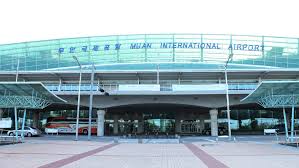
Recent Improvements
Muan’s modernization continues:
- 2024 Security Upgrade: AI-powered scanners reduced wait times by 30%, making security checks faster and less intrusive.
- 2023 Terminal Expansion: Added gates A9 and A10, increasing daily flight capacity by 15% to handle rising demand.
- Jeju Travel Hub (2024): A new service center near arrivals now offers tour bookings, local SIM card sales, and bike rentals—so you can start planning your island adventure before leaving the airport.
Upcoming Events (2024)
- July Jeju International Fireworks Festival: Muan will add 5 extra weekly flights from Seoul (Gimpo Airport) to accommodate festival crowds. Expect longer immigration lines, so arrive 2 hours early to avoid delays.
- October New Route to Singapore: Scoot, Singapore Airlines’ budget arm, will launch direct Jeju-Singapore flights in October 2024. Early bird fares start at ₩450,000 one-way—book now to secure the best prices.
Construction and Future Projects
Big changes are on the horizon:
- Phase 2 Terminal Expansion (2025): Scheduled to double the size of the duty-free mall and install solar panels across 50% of the terminal roof, cutting energy costs by 20%.
- New Runway (2030): Plans for a second 3,500-meter runway aim to boost annual passenger capacity to 15 million, reducing delays during peak travel periods like summer and holiday seasons.
Comparisons with Other Airports
Muan vs. Seoul’s Gimpo Airport
- Pros of Muan: Direct access to Jeju eliminates the need for ferry or long mainland transfers. Smaller crowds mean faster check-in and security processes.
- Pros of Gimpo: Korea’s domestic hub with more flights to global destinations. Better for travelers connecting to other Asian cities before heading to Jeju.
Muan vs. Incheon International Airport
- Pros of Muan: Tourism-focused services, including island tour desks and local SIM sales, make it ideal for Jeju-bound travelers. Shorter flight times to Jeju (no need to transfer from Seoul).
- Pros of Incheon: Korea’s primary international airport with larger duty-free shopping, premium lounges, and flights to 100+ global cities. Better for travelers arriving in Korea for mainland exploration before visiting Jeju.
Muan vs. Daegu Gimhae Airport
- Pros of Muan: Relaxed, tourist-centric environment with minimal business travel traffic. Perfect for travelers focused solely on Jeju.
- Pros of Daegu: Gateway to mainland cultural hotspots like Busan and Seoul. Better for travelers combining Jeju with a broader South Korea itinerary.
Common Questions About Muan International Airport
Q: Is Muan International Airport the only airport in Jeju?
A: Yes! Jeju has no other international airports, making Muan your sole option for flying to or from the island.
Q: What’s the weather like at Muan Airport?
A: Jeju has a tropical climate. Summers (June–August) average 28°C (82°F), while winters (December–February) hover around 10°C (50°F). June and July bring heavy rainfall, and though winter typhoons are rare, it’s wise to check the airport’s weather updates ([link]) before your trip to prepare for delays.
Q: Are there direct flights from my city to Muan?
A: It depends on your departure point. For example:
- Direct flights from Tokyo (Haneda) are available via Japan Airlines.
- There are no direct flights from New York—travelers must connect through Seoul Incheon.
Use Skyscanner’s “direct flights” filter or check Jeju Air’s website to confirm routes from your city.
Q: How do I get a taxi from Muan Airport?
A: Taxis queue outside the arrivals exit (Level 1). Fares to the city center start at ₩35,000. Always confirm the driver uses the meter—though most do, negotiate only if the meter is unavailable or broken.
Q: Does Muan Airport have a prayer room or chapel?
A: Yes! Located on Level 2, near Gate B5, the prayer room is open 24/7 and welcomes travelers of all faiths. It’s a quiet, clean space to reflect before or after your journey.
The Future of Muan International Airport

Muan is committed to evolving with Jeju’s needs. Beyond the 2030 runway expansion and 2025 terminal upgrades, the airport plans to:
- Launch AI chatbots by 2025, named “Muan Assistant,” accessible via the airport app or kiosks for real-time flight updates and service queries.
- Introduce more cultural displays, such as traditional talchum (mask dance) artwork and local craft exhibits, to immerse travelers in Jeju’s heritage even before they explore the island.
These initiatives, combined with new international routes, position Muan as a key player in Jeju’s continued growth as a global tourism destination.
Conclusion
Muan International Airport isn’t just a transit stop—it’s your first gateway to Jeju’s magic. With clear facilities, growing flight options, and seamless connectivity to the island’s top attractions, it’s designed to turn travel stress into excitement. Before your next trip, download the airport app, book transportation in advance, and review these tips. You’ll be ready to embrace Jeju’s natural beauty, warm culture, and unforgettable experiences in no time.
See you at Muan—where your Jeju adventure begins!
Authority Links:
- Muan International Airport Official Website (latest schedules, news, and services).
- Jeju Tourism Board (official guides to attractions, events, and island tips).