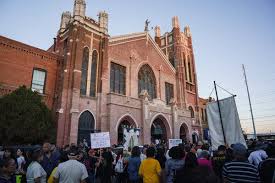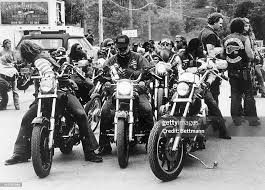
Understanding the Buzz Around “Hells Angels Going to Colorado”
The phrase “Hells Angels going to Colorado” has recently been gaining traction online and across local news outlets, sparking curiosity and concern among residents, bikers, and law enforcement alike. But what’s actually behind this attention-grabbing headline? Is it a large-scale biker event, a territorial expansion, or something else entirely?
In this section, we’ll explore who the Hells Angels are, why their movement to Colorado matters, and how such events can have social, economic, and security implications for local communities. Understanding the context behind this headline is essential before diving into the deeper issues of biker culture, law enforcement preparedness, and Colorado’s history with motorcycle clubs.
Who Are the Hells Angels?
The Hells Angels Motorcycle Club (HAMC) is one of the most recognized — and controversial — motorcycle clubs in the world. Founded in 1948 in Fontana, California, the group originally formed as a brotherhood of World War II veterans who shared a passion for motorcycles, freedom, and rebellion against mainstream society. Over the decades, the Hells Angels evolved from a loose association of riders into a structured international organization with chapters in over 50 countries.
They are known for their distinctive logo — a winged death’s head — and strict membership rules, which often include years of commitment and loyalty before earning a full patch. While the club presents itself as a group of motorcycle enthusiasts, law enforcement agencies, including the FBI and Interpol, have frequently classified it as an outlaw motorcycle gang (OMG) due to alleged involvement in organized crime, drug trafficking, and violent incidents.
However, it’s important to note that not every member or chapter engages in illegal activities. Many Hells Angels are simply riders who value camaraderie, freedom, and the open road.
Why Colorado Has Become the Latest Focus
So, why is Colorado now appearing in the same sentence as Hells Angels?
There are a few potential reasons:
Territorial Expansion or Consolidation:
Colorado has long been home to several motorcycle club chapters, including both Hells Angels and rival groups like the Mongols MC and Bandidos. Reports suggest that recent movements of Hells Angels members may be tied to expanding influence in the state or reorganizing chapters after conflicts in nearby regions like Nevada and Arizona.
Large Biker Events or Rallies:
Colorado hosts several motorcycle rallies, such as the Four Corners Motorcycle Rally and Cripple Creek Salute to American Veterans Rally, which attract bikers from all over the country. The phrase “Hells Angels going to Colorado” could refer to their planned participation in one of these large gatherings, rather than a permanent relocation.
Law Enforcement Alerts:
Law enforcement agencies sometimes issue warnings or alerts when large groups of bikers — especially those from clubs with criminal reputations — travel through or gather in an area. These alerts are meant to prepare local police and maintain public safety, not necessarily to suggest imminent danger.
Social Media Amplification:
Viral videos, TikToks, and Facebook posts often magnify rumors. A few Hells Angels riders traveling through Colorado might be filmed and uploaded online, leading to exaggerated claims that “the Hells Angels are moving into Colorado.”
A Brief History of the Hells Angels in Colorado
The Hells Angels have had a presence in Colorado for decades, but their history has been marked by periodic tension with other motorcycle clubs and occasional law enforcement interventions.
1970s–1980s: Early Hells Angels chapters appeared in Denver and Colorado Springs, often clashing with rival groups over “territory” — which in biker terms refers to regional dominance and recruitment rights.
1990s–2000s: Colorado saw sporadic violent incidents, including bar fights, turf wars, and arrests related to drug trafficking.
2010s: The group largely stayed under the radar, maintaining a presence but avoiding major public incidents.
2020s: Renewed interest in the club’s activities resurfaced online due to increased biker rallies and heightened social media visibility.
While law enforcement continues to monitor motorcycle clubs in the state, the reality is that most interactions between bikers and civilians remain peaceful — especially at public events focused on charity rides or community gatherings.
The Bigger Picture: Motorcycle Clubs and Modern Culture
The rise in attention toward Hells Angels going to Colorado reflects a larger cultural fascination with outlaw motorcycle clubs. Movies, shows, and documentaries — like Sons of Anarchy and Hell’s Angels Forever — have glamorized the freedom, danger, and mystique associated with biker culture.
But beneath the surface lies a complex social ecosystem built on loyalty, brotherhood, and rebellion. Motorcycle clubs often serve as social networks, offering members a sense of belonging and purpose — particularly in a world that feels increasingly disconnected.
In summary, the Hells Angels’ presence in Colorado isn’t new — but its renewed visibility in 2025 has reignited public debate over how society views motorcycle clubs, public safety, and personal freedom.
The Real Reason Behind the Hells Angels Going to Colorado
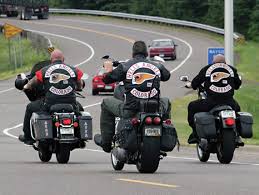
While headlines and social media posts about the Hells Angels going to Colorado may sound dramatic, the real reasons behind their movement are often far less sensational than they appear. To fully understand what’s happening, we need to look at several intersecting factors — from club logistics and cultural events to territorial shifts and law enforcement responses.
Let’s explore the deeper motivations behind why members of this globally recognized motorcycle club are reportedly heading to Colorado.
1. Participation in Major Motorcycle Events
One of the most straightforward explanations is event participation. Colorado is home to a variety of motorcycle rallies, charity rides, and bike festivals, many of which attract thousands of riders from across the U.S. and even abroad. These events are a central part of biker culture and provide opportunities for clubs — including the Hells Angels — to show unity, display their presence, and celebrate their shared identity.
Some of the most popular Colorado biker events include:
| Event Name | Location | Typical Attendance | Known for |
|---|---|---|---|
| Four Corners Motorcycle Rally | Durango | 10,000+ | Charity rides, live music, and group rides across scenic routes |
| Salute to American Veterans Rally | Cripple Creek | 15,000+ | Military appreciation and biker unity |
| Thunder in the Rockies | Loveland | 20,000+ | Bike shows, stunt events, and regional motorcycle culture |
Hells Angels members often attend such rallies — not necessarily as an official “club mission” — but to enjoy the atmosphere, support causes, and connect with other bikers. Media and the public, however, sometimes misinterpret large group appearances as organized takeovers or territorial encroachments.
2. Territorial Consolidation or Chapter Reorganization
Motorcycle clubs like the Hells Angels operate through localized chapters, each responsible for its own area. These chapters often maintain internal hierarchies, rules, and protocols that keep the global organization structured.
When we hear about “Hells Angels going to Colorado,” it can also refer to chapter adjustments — where new members are patched in, existing chapters merge, or leadership changes occur.
For instance:
- A new chapter might be opening in a smaller Colorado city.
- A temporary meetup might be held to align chapters from neighboring states like Arizona, Utah, or Nevada.
- A retreat or national meeting might take place to discuss future directions or club goals.
These reorganizations are normal within large clubs and often have nothing to do with criminal activity — though law enforcement monitors such moves carefully, given the group’s reputation.
3. Colorado’s Strategic Importance for Motorcycle Clubs
From a geographic and logistical perspective, Colorado is a key state for cross-country motorcycle travel. It sits at a central point in the United States, offering access to major interstates (like I-25 and I-70) and scenic routes across the Rocky Mountains.
This makes Colorado a natural hub for riders traveling east-west or north-south. The state’s biker-friendly roads — like the Million Dollar Highway or Pikes Peak Highway — attract riders from every corner of the country.
Moreover, Colorado’s vibrant motorcycle community offers a relatively neutral environment where riders from different backgrounds, and even rival clubs, occasionally cross paths without major conflict. This could explain why the Hells Angels might favor Colorado as a convenient rallying or meeting location.
4. Possible Tensions with Rival Motorcycle Clubs
Historically, the Hells Angels have had rivalries with other outlaw motorcycle clubs, such as:
- The Mongols
- The Outlaws MC
- The Bandidos
- The Vagos
Colorado, particularly the Denver metro area, has seen tensions between these groups in the past. For example:
- In 2016, a shootout between the Mongols and The Iron Order MC in Denver left one person dead and others injured.
- In 2022, law enforcement heightened monitoring during large rallies after reports of possible confrontations between rival clubs.
While no official confirmation links the current Hells Angels activity in Colorado to rival conflicts, it’s not uncommon for club movements to coincide with strategic positioning in areas of ongoing competition.
5. Social and Symbolic Reasons
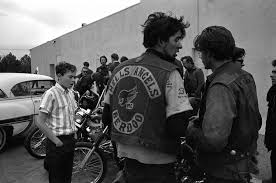
For many in the Hells Angels, riding to a new state isn’t just about logistics — it’s a symbol of freedom, loyalty, and brotherhood. The open road has long been a defining element of the group’s identity, representing independence from societal norms.
The trip to Colorado may therefore be partly symbolic — a reaffirmation of the club’s values and presence in America’s heartland. The scenic, rugged terrain of Colorado reflects the spirit of rebellion and adventure the Hells Angels have embraced for decades.
6. Law Enforcement Monitoring and Media Sensationalism
Finally, we must address how law enforcement and media coverage play a role in shaping public perception. Whenever a group like the Hells Angels announces or undertakes a large-scale ride, police agencies prepare preemptively to ensure safety — often resulting in media reports about “potential threats” or “gang activity.”
However, these reports can exaggerate or misrepresent the situation. In most cases, the rides pass without incident, and the “Hells Angels going to Colorado” becomes more of a viral headline than a real security issue.
Still, authorities take no chances — deploying additional patrols, setting up coordination points, and monitoring social media for any signs of unrest.
In essence, the real reason behind the Hells Angels going to Colorado lies at the intersection of culture, logistics, and perception. What outsiders view as a “takeover” is, for many bikers, simply a continuation of a long-standing tradition — the open road, camaraderie, and the freedom to ride wherever they choose.
Community and Law Enforcement Reactions to the Hells Angels Going to Colorado
Whenever news breaks about the Hells Angels going to Colorado, reactions from both local communities and law enforcement agencies tend to vary widely. While some residents see it as an exciting, if intimidating, part of biker culture, others express concern about public safety, gang activity, and the potential for violence — especially in light of the club’s historical reputation. On the other hand, seasoned officers and local officials often take a measured, prepared approach, balancing constitutional rights with community protection.
Let’s take a closer look at how these reactions unfold — from residents’ perceptions to police preparations and media influence.
1. How Local Communities React to the Hells Angels Presence
When the Hells Angels arrive in Colorado, local reactions tend to depend heavily on the city or region involved. In tourism-heavy towns like Durango, Cripple Creek, or Aspen, where motorcycle rallies are common, locals may view the influx of bikers as business opportunities. Restaurants, hotels, and fuel stations often see a spike in revenue from traveling riders.
For example:
- During the Four Corners Motorcycle Rally, businesses in Durango have reported sales increases of up to 40% in the event week.
- In smaller communities, biker tourism can represent a major seasonal economic boost, particularly for rural areas along scenic routes.
However, despite the financial benefits, some residents express unease due to the Hells Angels’ image as an “outlaw motorcycle club.”
Many people associate the name with crime, gang activity, and violent clashes — mostly due to past incidents in California, Nevada, and Canada. In reality, though, many of the bikers seen in Colorado are law-abiding members attending rallies or simply riding with friends.
“They come here, they ride, they spend money, and then they leave. Most of them just want to enjoy the open road,”
— Local shop owner, Cripple Creek, Colorado.
This mix of fear and fascination creates an atmosphere that’s both tense and economically advantageous. Locals prepare for crowds but remain cautious, especially when large groups of Hells Angels appear together in public.
2. Law Enforcement Preparation and Strategy
Law enforcement agencies in Colorado — including state police, local sheriff departments, and federal task forces — take a proactive stance when the Hells Angels announce events or begin gathering in significant numbers. The focus is primarily on prevention, surveillance, and community safety rather than confrontation.
Authorities generally implement several measures:
| Law Enforcement Action | Purpose | Example |
|---|---|---|
| Intelligence gathering | To monitor movements and potential rival interactions | Coordination with FBI’s Safe Streets Task Force |
| Increased patrols | To ensure peace and discourage illegal behavior | Extra units deployed during rallies |
| Collaboration with local businesses | To gather real-time updates from public spaces | Bars and motels briefed on reporting procedures |
| Temporary traffic management | To maintain order during processions | Motorcycle escorts and controlled intersections |
A notable instance occurred in 2023, when law enforcement in Denver and Colorado Springs issued advisories ahead of large motorcycle gatherings linked to Hells Angels chapters. Despite online speculation, no major incidents were reported. Police emphasized that the presence of the club does not automatically imply criminal intent, and most riders complied with all laws.
This cautious, coordinated approach is designed to protect public safety while avoiding unnecessary escalation.
3. Media Sensationalism and Public Perception
The phrase “Hells Angels going to Colorado” often makes headlines — and for good reason. The club’s name carries strong cultural weight, and journalists know that any mention of it tends to attract clicks, shares, and engagement. Unfortunately, this sometimes leads to sensationalism and incomplete reporting.
Media outlets may:
- Highlight the Hells Angels’ criminal history from decades ago.
- Use dramatic visuals of leather jackets, tattoos, and motorcycles.
- Frame stories as potential “threat alerts,” even when no evidence of wrongdoing exists.
This portrayal can distort reality, shaping public fear and reinforcing stereotypes.
For instance, during the 2022 biker rally in Durango, multiple news outlets ran stories suggesting a “possible turf war” due to the Hells Angels’ attendance — yet no conflict occurred, and police later confirmed the event remained peaceful.
“There’s a difference between a criminal enterprise and a motorcycle club. The Hells Angels are heavily monitored, but they also have constitutional rights.”
— Law Enforcement Analyst, Denver Post Interview.
Such examples reveal how media framing influences both community emotions and police response levels. By amplifying perceived threats, news coverage can unintentionally heighten public anxiety, even when risks are minimal.
4. Cooperation Between Riders and Authorities
Interestingly, recent trends suggest that relations between Hells Angels members and Colorado law enforcement have become less confrontational over time.
Many chapters have realized that maintaining peace helps preserve their image and reduces legal scrutiny. Meanwhile, police agencies have refined strategies to handle large biker gatherings without provocation or profiling.
In some events, Hells Angels representatives even communicate directly with local police ahead of time to clarify their intentions and ensure an orderly visit.
This growing level of communication shows a shift from hostility to cautious coexistence, marking a subtle but significant cultural change in the biker landscape.
5. Community Outreach and Charitable Involvement
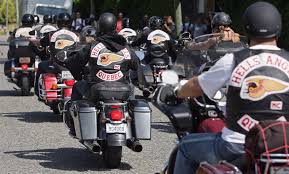
While often overlooked, several Hells Angels chapters engage in community service and charity events. In Colorado and nearby states, members have participated in:
- Toy drives for children’s hospitals
- Fundraisers for veterans and injured riders
- Food donations for homeless shelters
These acts of goodwill rarely make national headlines, but they’re part of a larger effort by some chapters to counter negative stereotypes and demonstrate that their community presence isn’t purely intimidating.
When locals witness these positive efforts firsthand, perceptions begin to soften, even if skepticism remains. Over time, this has led to a gradual — though limited — normalization of the Hells Angels’ presence in certain Colorado communities.
The History of the Hells Angels in the United States and Colorado
To truly understand the significance of the Hells Angels going to Colorado, we need to look at the club’s deeper roots — both in American motorcycle culture and within Colorado’s local biker scene. The group’s legacy stretches back nearly 80 years, marked by rebellion, brotherhood, and controversy. Their move into Colorado isn’t just a random occurrence; it’s part of a larger story of expansion, identity, and evolution that mirrors changes in American society itself.
Let’s break down how the Hells Angels began, how they spread across the country, and how Colorado became part of that larger narrative.
1. Origins of the Hells Angels Motorcycle Club
The Hells Angels Motorcycle Club (HAMC) was founded in 1948 in Fontana, California, by World War II veterans seeking camaraderie and excitement after returning home. The early years of the club reflected the restless postwar spirit of America — a country undergoing massive cultural change, where motorcycles symbolized freedom, rebellion, and masculinity.
Their name, “Hells Angels,” was reportedly inspired by a World War II bomber squadron of the same name. Members wanted to create a group that celebrated the thrill of the open road and rejected mainstream authority.
By the 1950s and 1960s, the Hells Angels became an icon of counterculture — immortalized in books and films such as Hell’s Angels: The Strange and Terrible Saga of the Outlaw Motorcycle Gangs by Hunter S. Thompson, who famously described them as:
“Outlaws of the purest kind, men who live outside the law not because they are against it, but because they’ve simply outgrown it.”
2. Expansion Across the United States
Throughout the 1960s and 1970s, the Hells Angels rapidly expanded beyond California, establishing chapters across the U.S. and internationally. By the 1980s, they had become the most recognized motorcycle club in the world, with a powerful presence in:
- California
- Nevada
- New York
- Arizona
- Texas
- Canada
- Europe and Australia
The group operates through a structured hierarchy that includes:
- Full-patch members (official members)
- Prospects (probationary members)
- Hang-arounds (friends and supporters)
Each chapter is self-governing but adheres to national and international charters, with the HAMC World Headquarters located in Oakland, California.
Their motto — “When we do right, nobody remembers. When we do wrong, nobody forgets.” — encapsulates their dual reputation as both outlaws and legends.
3. Arrival of the Hells Angels in Colorado
The Hells Angels’ presence in Colorado dates back several decades, but their official establishment in the state occurred more prominently in the 1980s and 1990s. The state’s central location, mountain highways, and motorcycle-friendly culture made it a natural fit for expansion.
Colorado became strategically important for several reasons:
- It connects western and midwestern chapters (California to Illinois).
- It offers access to major highways — I-25, I-70, and U.S. 50 — vital for coast-to-coast travel.
- The biker community in Colorado was already well-established, offering natural opportunities for recruitment and local support.
The Denver chapter eventually became one of the state’s key hubs, frequently participating in national rallies and charity rides. Over time, other smaller chapters appeared in Colorado Springs and Grand Junction, though activity levels have varied depending on law enforcement focus and internal club dynamics.
4. Notable Historical Incidents in Colorado
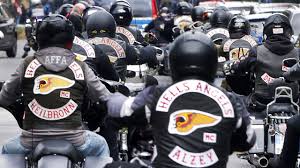
While most of the Hells Angels’ activity in Colorado has been relatively quiet, a few notable incidents have drawn public attention:
| Year | Location | Event | Outcome |
|---|---|---|---|
| 1994 | Denver | DEA operation targets suspected drug distribution linked to motorcycle clubs | Several arrests, no direct HAMC charges |
| 2008 | Colorado Springs | Rally gathering monitored for potential violence | No incidents reported |
| 2019 | Greeley | Small altercation between rival biker groups | Quickly contained by local police |
| 2023 | Durango | Increased police monitoring during Four Corners Rally | Peaceful event, no arrests linked to HAMC |
These examples highlight a pattern — heightened attention, occasional tension, but limited major conflict. The Hells Angels’ approach in Colorado appears to emphasize presence and visibility, not open confrontation.
5. The Club’s Image in Modern Colorado
In recent years, the Hells Angels’ reputation in Colorado has evolved. While law enforcement still categorizes them as an outlaw motorcycle gang (OMG) under federal definitions, the public perception is increasingly mixed.
Many younger bikers see them less as dangerous criminals and more as symbols of freedom and rebellion, part of the enduring mystique of motorcycle culture.
At the same time, older Coloradans remember high-profile biker clashes of the 1970s and 1980s, keeping the group’s image controversial.
Colorado media coverage tends to reflect this duality — admiration and apprehension in equal measure. Reports emphasize both the club’s charitable activities and their criminal investigations, resulting in a complex public narrative.
6. Broader U.S. Context: The Hells Angels Legacy
Across the United States, the Hells Angels remain a cultural institution, influencing music, fashion, and film. They’ve been referenced by artists like The Rolling Stones, Metallica, and Lynyrd Skynyrd, and their signature logo — the winged skull — is instantly recognizable worldwide.
Yet, the club’s long history of law enforcement scrutiny, including investigations by the FBI, ATF, and DEA, continues to shadow their activities. Despite these challenges, the organization endures — a testament to its deep-rooted brotherhood and global infrastructure.
In this sense, their appearance in Colorado isn’t an isolated event but part of an ongoing tradition of territorial mobility and symbolic presence across the American landscape.
In short, the Hells Angels going to Colorado is not a new phenomenon but a continuation of decades of movement and expansion. From postwar origins to modern-day rallies, their journey through Colorado reflects both the enduring spirit of motorcycle freedom and the complex relationship between biker identity and public perception in America.