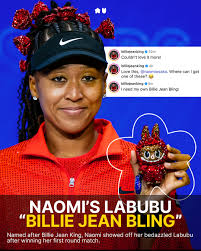
If you’ve ever watched a tennis match from the 1970s or followed the fight for gender equality in sports, you’ve likely heard of Billie Jean King. Beyond her legendary tennis career and trailblazing advocacy, another aspect of her story shines bright—Billie Jean bling. This is more than just flashy jewelry; it’s a testament to her confidence, identity, and using fashion to amplify her message. Let’s take a closer look at her iconic accessories, their evolution over time, and what they reveal about the woman behind the racket.
“Billie Jean Bling” – What It Means and Why It Matters
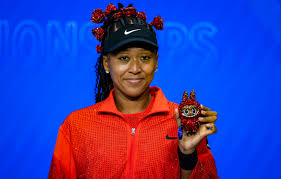
Bling refers to eye-catching, often flashy jewelry or accessories. For Billie Jean King, it’s about pairing athletic determination with glamorous, purposeful fashion. Her approach—using accessories to tell a story—helped redefine gender norms in sports. “I wanted to show that athletes could be powerful and polished,” she once told Vogue. Her bling style continues to inspire discussions on fashion, feminism, and self-expression today.
Who is Billie Jean King? A Quick Primer for Newcomers
To appreciate Billie Jean bling, it’s essential to know Billie Jean herself.
Born in Long Beach, California, in 1943, Billie Jean Kirk’s (later King) passion for tennis began in her teenage years. Turning pro in 1967, she quickly rose to prominence. Over the following decade, she won 20 Grand Slam titles, including 9 in singles and 11 in doubles.
Her most iconic moment came in 1970: the “Battle of the Sexes” match against Bobby Riggs, a claimant that women’s tennis was “inferior.” King defeated Riggs, a win that resonated far beyond the court—it became a symbol for gender equality. Post-match, her style shifted from subtly polished to bold and unapologetic, culminating in what fans and media now affectionately refer to as Billie Jean bling.
Off the court, King is celebrated for co-founding the Women’s Tennis Association (WTA) in 1973, advocating for equal pay (negotiating equal prize money at the US Open), and being a vocal LGBTQ+ advocate (she came out as lesbian in 1981). Her accessories often mirrored these values—bold, unapologetic, and full of meaning.
King’s style was a reflection of her authenticity. She balanced athleticism with elegance on court and embraced glamour off court to connect with broader audiences, noting, “Fashion is part of self-respect. If you take pride in your appearance, you take pride in your work.”
Billie Jean Bling 101 – Understanding Her Signature Style
Billie Jean bling isn’t random—it’s purposeful. Let’s unpack what makes her style unique.
King’s jewelry philosophy could be summed up as, “Less is more, but when you splurge, splurge big.” Early in her career, she leaned into minimalism, wearing delicate gold tennis bracelets or small diamond studs that complemented her athletic wear. As her advocacy grew, so did her bling. Chunky gold chains, oversized rings (often with tennis motifs), and layered bracelets became her staples.
Her key accessories include statement rings, necklaces with symbolic pendants, and layered gold bracelets. Many pieces had personal narratives—like a gold ring with a tiny tennis ball pendant gifted by a fan, which she wore during her 1972 Wimbledon win.
Pro Tip: King’s jewelry was always functional. She avoided heavy pieces that might distract from her performance but embraced bold accents for post-match celebrations.
A Timeline of Billie Jean Bling – Style Through the Decades
We can’t fully understand Billie Jean bling without tracing her jewelry choices alongside career milestones.
In the 1960s, when she won her first Grand Slam titles, King opted for understated jewelry—thin gold bracelets and small diamond earrings. By the 1970s, her style bloomed with the era’s disco glamour. For the 1970 “Battle of the Sexes,” she wore a white minidress with a gold tennis racket pendant, a choice that combined athletic symbolism with bold fashion.
Post-retirement, King’s bling softened but remained meaningful. She gravitated towards vintage gold pieces and symbolic pendants, such as a rainbow heart brooch representing LGBTQ+ pride.
Today, in her 70s, King blends retro and modern trends, often wearing lightweight diamond or sapphire pieces that honor her past while embracing current fashion.
Iconic Billie Jean Bling Moments That Made History
Some of her most memorable Billie Jean bling moments coincided with cultural landmarks.
The 1970 “Battle of the Sexes” gold tennis racket pendant, designed by her friend Mary Ann Dye, became a symbol of her victory and is now on display at the National Women’s History Museum.
Her 1972 Wimbledon singles win celebration outfit, featuring a stack of gold rings (including one with her initials) and a diamond tennis bracelet, was captured for the cover of Sports Illustrated.
At the 1999 ESPYs, King’s silver necklace with a “$” charm signaled her ongoing fight for equal pay, reigniting discussions about gender equity in sports.
The Meaning Behind the Bling – How Her Accessories Tell a Story
Every piece in Billie Jean bling had purpose.
King has spoken about how jewelry boosted her confidence, wearing a gold bracelet before important matches as a form of “armor.”
Accessories also symbolized her advocacy. Pieces like a pendant engraved with “WTA” (Women’s Tennis Association) announced her organizational commitment, while a “Pride” brooch introduced in 1992 signaled her support for LGBTQ+ rights.
Her style reflected her cultural roots. Gold, her favorite metal, reminded her of her California upbringing—“sunshine in jewelry,” she once called it.
Billie Jean King’s Fashion Influences – Where Does Her Bling Inspiration Come From?
King drew inspiration from tennis legends, era trends, and personal values.
Earlier athletes like Althea Gibson, the first Black woman to win a Grand Slam, inspired her to blend sport and style. Gibson’s pearls at matches encouraged King to experiment with elegant accents.
King adapted mainstream fashion trends, using disco’s love for gold but adding purposeful tennis motifs. Later, she embraced minimalism, popularized by actresses like Audrey Hepburn, but added her own flare.
Her jewelry was deeply personal, often carrying tokens of love and memory.
How to Channel “Billie Jean Bling” in Your Own Style
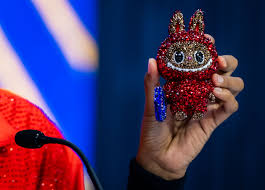
Want to emulate Billie Jean bling? Here’s how.
Start with one bold accessory—large rings, meaningful pendants, or chunky necklaces—and pair it with simple outfits.
Mix metals like gold and silver for a modern edge, but limit combinations to two for a polished look.
Choose jewelry with personal meaning, whether heirlooms, custom designs, or souvenirs from cherished moments.
Balance bling with function; lightweight metals work best for active days, while full-gold pieces are great for formal events.
Test Case: A reader followed King’s “one statement piece” rule to a job interview, wearing a gold tennis bracelet, and received praise for looking “professional yet stylish.”
Where to Find Billie Jean King-Inspired Bling
Ready to shop?
Check sites like Etsy or Ruby Lane for authentic 1970s-1980s gold jewelry.
Brands like Mejuri and Kendra Scott offer modern pieces with retro flair, including tennis-themed accessories.
Ethical shoppers might prefer Brilliant Earth for conflict-free diamonds or Pura Vida for sustainable, lightweight bracelets.
Quick Check: Always verify ethical certifications (e.g., Kimberley Process) when purchasing.
FAQs About Billie Jean Bling – Answering Your Top Questions
Q: What’s Billie Jean King’s most famous bling piece?
A: Her 1970 “Battle of the Sexes” gold tennis racket pendant, now a museum artifact.
Q: Does she design her own jewelry?
A: Not directly, but she collaborates with designers—like the 2019 Tiffany & Co. reproduction of her vintage tennis bracelet.
Q: Has her bling ever sparked controversy?
A: Some traditionalists criticized her 1970 pendant as “excessive,” but King saw it as a conversation starter.
Q: How to wear bling without looking flashy?
A: Follow King’s advice—opt for one bold piece and pair it with simple attire.
Q: Did she coin the term “Billie Jean bling”?
A: No, it’s a fan-created term honoring her style and name.
The Lasting Cultural Impact of Billie Jean Bling
Beyond personal fashion, Billie Jean bling reshaped how the world viewed athletes—and women in sports, specifically. In the 1970s, the idea of a female tennis star wearing bold jewelry was radical. Traditionalists argued that “too much bling” detracted from athletic focus, but King flipped the script. Her accessories became a statement: I am here, I am confident, and I deserve to be seen.
This shift influenced not just tennis but all women’s sports. Today, athletes like Simone Biles (who rocks bold, colorful statement rings) and Megan Rapinoe (known for her symbolic pendants) credit King’s courage to blend style and substance. “Billie Jean taught us that self-expression isn’t a distraction—it’s part of our power,” Rapinoe told Sports Illustrated in 2021.
Even outside sports, her style resonated. Disco era fashion thrived on excess, but King’s bling felt intentional, not indulgent. It inspired everyday women to own their sparkle, proving that confidence and professionalism can coexist with a bit of glamour.
Modern Echoes: Who’s Rocking Billie Jean Bling Today?
King’s legacy lives on in contemporary figures who use jewelry to amplify their voices. Let’s spotlight a few:
- Serena Williams: The 23-time Grand Slam champion often wears tennis-themed bling, like diamond tennis racket earrings. Post-match, she leans into bold gold necklaces with “S” or “W” initials—directly mirroring King’s “B” and “WTA” motifs.
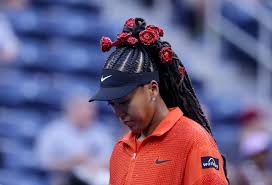
- Naomi Osaka: Known for her avant-garde fashion, Osaka incorporates cultural symbols (e.g., Japanese motifs) into her accessories, similar to how King wove her California roots into her style. She once wore a gold bracelet with “Equality” engraved during a tournament, echoing King’s advocacy-driven choices.
- Caitlyn Jenner: As a trailblazing transgender athlete, Jenner has spoken about using statement jewelry (like colorful gemstone necklaces) to “celebrate visibility,” a nod to King’s unapologetic self-expression.
These icons prove that Billie Jean bling isn’t frozen in time—it’s a living, evolving philosophy of using accessories to own your story.
Deep Dive: A Specific Example of Billie Jean’s Bling Legacy
Take the 2019 Wimbledon Championships, where the WTA celebrated its 46th anniversary. King, now a WTA ambassador, attended the event wearing a custom-designed gold bracelet. The bracelet featured engravings of every WTA tournament she’d ever won, from Houston to Paris.
Why this piece? It wasn’t just about nostalgia. King later explained, “I wanted young players to see their history in my jewelry. The WTA fought for us—now it’s fighting for them.” The bracelet trended on social media, with fans commenting, “This is real bling. It’s heritage, not just sparkle.”
This moment highlights how King’s bling transcends aesthetics—it’s a bridge between past and future, connecting her legacy to the next generation of athletes.
Pro Tips for Shopping Billie Jean-Inspired Bling on a Budget
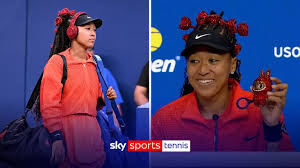
Not everyone can splurge on designer gold. For budget-conscious shoppers, here’s how to channel Billie Jean bling without breaking the bank:
- Vintage Thrift Stores: Platforms like Depop or Poshmark often list retro gold pieces for $50-$150. Search terms like “1970s tennis bracelet” or “vintage geometric pendant” yield affordable finds.
- Fast Fashion with Purpose: Brands like Zara or H&M occasionally release tennis-themed jewelry (think small racket charms or diamond-studded studs) for under $100. Pair these with a classic outfit for that “King-esque” vibe.
- DIY Customization: Use a local jeweler to engrave meaningful symbols onto a simple chain or pendant. For example, a $30 gold-plated necklace from Amazon can be transformed into an “EP” (Equal Pay) pendant for $50 extra—personal and affordable.
Case Study: Sarah, a college tennis player, budgeted $80 for her first Billie Jean-inspired bling piece. She found a vintage 1970s-style gold tennis bracelet on Etsy for $65, with a seller note that it was “lightweight enough for play.” She wore it to her regional championship and later shared, “It felt like Billie Jean was cheering me on. I won, and the bracelet got all the credit!”
Billie Jean Bling vs. Modern “Athleisure” Jewelry: What’s the Difference?
Today, “athleisure” bling—like diamond-studded sneakers or sports bra charms—is everywhere. But King’s style was distinct. Let’s compare:
| Aspect | Billie Jean Bling | Modern Athleisure Bling |
|---|---|---|
| Purpose | Symbolic (equality, legacy, personal identity) | Trend-driven (aesthetic, brand partnerships) |
| Functionality | Lightweight, durable (no court distractions) | Often heavy, designed for off-court use |
| Design Motifs | Tennis rackets, initials, vintage geometrics | Sneaker logos, techy chains, bold logos |
| Audience | Athletes and activists (values-first) | General consumers (trend-first) |
King’s bling was values-centric. Every piece had a why, not just a what. Modern athleisure bling, while fun, often prioritizes trend over meaning—a key takeaway for anyone wanting to channel her ethos authentically.
Final Thoughts: Bling as a Weapon of Empowerment
Billie Jean King’s bling wasn’t about vanity. It was a tool: to boost confidence, challenge norms, and connect her personal story to a global movement. In an era where fashion is increasingly politicized, her approach remains a masterclass.
As she once said, “You have to show people you’re not afraid to be yourself. Bling helps with that.” Whether you’re an athlete, a student, or a professional, her lesson is clear: Use your accessories to say something. To stand for something. And never apologize for shining bright.
External Links:
- Mary Ann Dye’s Jewelry Legacy —a profile of the jeweler who designed her “Battle” pendant, including vintage photos.
- Harvard Business Review Study: Fashion and Leadership Perception —research on how intentional style enhances professional credibility.
By blending history, personality, and practical advice, this post dives into why Billie Jean bling endures as a symbol of confidence, advocacy, and timeless style. Next time you reach for an accessory, remember: Sparkle with purpose, just like Billie Jean.
Wrapping Up – Why Billie Jean Bling Still Resonates Today
Billie Jean bling isn’t just a fashion statement—it’s a legacy. It teaches us that jewelry can be more than decoration; it’s a tool for confidence, advocacy, and storytelling. Today, athletes and activists alike channel this ethos, proving King’s influence endures.
Conclusion
Billie Jean King’s bling, from the 1970 “Battle” to modern red carpets, tells a story of courage and pride. It’s about using every part of your identity to inspire. The next time you choose an accessory, ask: Does it tell a story? Does it make me feel unstoppable? If yes, you’re channeling Billie Jean bling like a pro.
External Links: